
How to care for wood at home
Practical guide for stairs, furniture and wood surfaces
Wood is a natural material highly valued in the home for its warmth, resistance and timeless aesthetics. However, to maintain its good appearance and properties over the years, it is essential to apply a series of proper care.
In this practical guide you will find real and effective tips to take care of wood at home, both in stairs and in furniture and other common elements.
Why wood needs specific care
Wood is a living material: it reacts to humidity, temperature changes and continuous use. Without proper maintenance, it can fade, dry out, warp or deteriorate its protective finish. Applying basic care on a regular basis not only improves its appearance, but also prolongs its life and avoids costly repairs.
Proper cleaning of wood at home
In frequently used elements such as wooden stairs, proper and constant cleaning is essential to avoid premature wear and maintain the finish in good condition.
Daily or frequent cleaning
- Remove dust with a soft cloth or microfiber mop.
- On stairs, sweep or vacuum with a suitable brush to prevent dirt from acting as an abrasive.
- Avoid aggressive all-purpose products or products containing alcohol.
Spot cleaning
- Use a slightly damp cloth, always well wrung out.
- Dry the surface immediately to prevent moisture penetration.
- Use specific cleaners for treated wood when necessary.
Important: excess water is one of the main enemies of wood.
How to protect wood from daily wear and tear
In structures with heavy use, such as wooden spiral staircases wooden spiral staircasesIn structures with heavy use, such as wooden spiral staircases, protecting the steps and controlling humidity is especially important to ensure durability and safety.
- Use protectors on furniture legs to avoid scratches.
- Place rugs or anti-slip elements in areas of heavy foot traffic.
- Avoid prolonged contact with hot or wet objects.
- Clean up any liquid spills immediately.
Proper protection reduces wear and keeps the finish in better condition for longer.
Humidity, temperature and other factors to control
The environment directly influences the condition of the wood:
- Maintain adequate ventilation in the home.
- Avoid excessively humid or very dry environments.
- Do not expose the wood to direct heat sources or intense sunlight for long periods.
- In humid areas, periodically check joints and seams.
Controlling these factors helps prevent warping, cracking and color changes.
Maintenance according to the type of finish
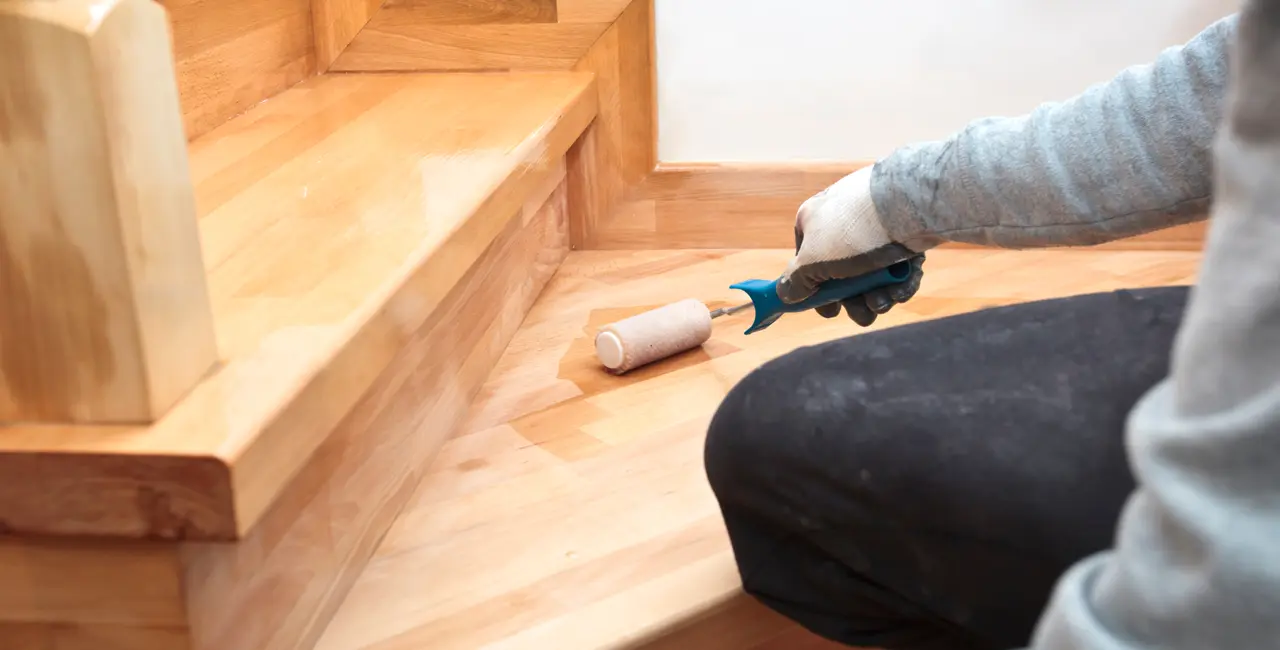
In the case of varnished wood, it is advisable to periodically check the state of the finish and renew it when it loses its shine or protection, following the steps to correctly varnish the wood and protect it.
Varnished wood
- Gentle and regular cleaning.
- Renewal of the varnish when it loses gloss or protection.
- Avoid abrasive products.
Oiled wood
- Apply protective oil periodically.
- Revive the surface when it feels dry or dull.
- Ideal for preserving the natural appearance of the grain.
Lacquered wood
- Cleaning with neutral products.
- Avoid knocks that could damage the lacquer coating.
- Repair small defects in time to prevent them from spreading.
Common mistakes when caring for wood
Some habits can damage wood without us realizing it:
- Using too much water when cleaning.
- Apply silicone polishes.
- Do not renew the finish when it no longer protects.
- Neglecting ventilation in damp rooms.
- Clean with scouring pads or rough cloths.
Avoiding these mistakes makes a big difference in the long-term condition of the wood.
Frequently asked questions about wood care
How often should wood be kept in the house?
It depends on the use and finish, but an annual general overhaul is usually sufficient.
Can deteriorated wood be recovered?
In many cases yes, by sanding and the application of a new protective treatment.
Does the wood need special care products?
It is advisable to use specific products for wood, as they respect its natural properties and help to preserve the finish.
Does moisture affect all woods equally?
No. Some species and finishes resist better, but all require protection against humidity.
Conclusion
Caring for wood at home does not require a great deal of effort, but rather consistency and the use of appropriate techniques. Proper cleaning, adequate protection and regular maintenance allow you to enjoy beautiful, resistant and in perfect condition stairs, furniture and wooden surfaces for many years.