
Wooden stairs: types, advantages and how to choose the ideal one
Everything you need to know to choose the perfect staircase
Wood stairs are structures designed to connect different levels of a house using solid or laminated wood as the main material, combining functionality, resistance and natural aesthetics.
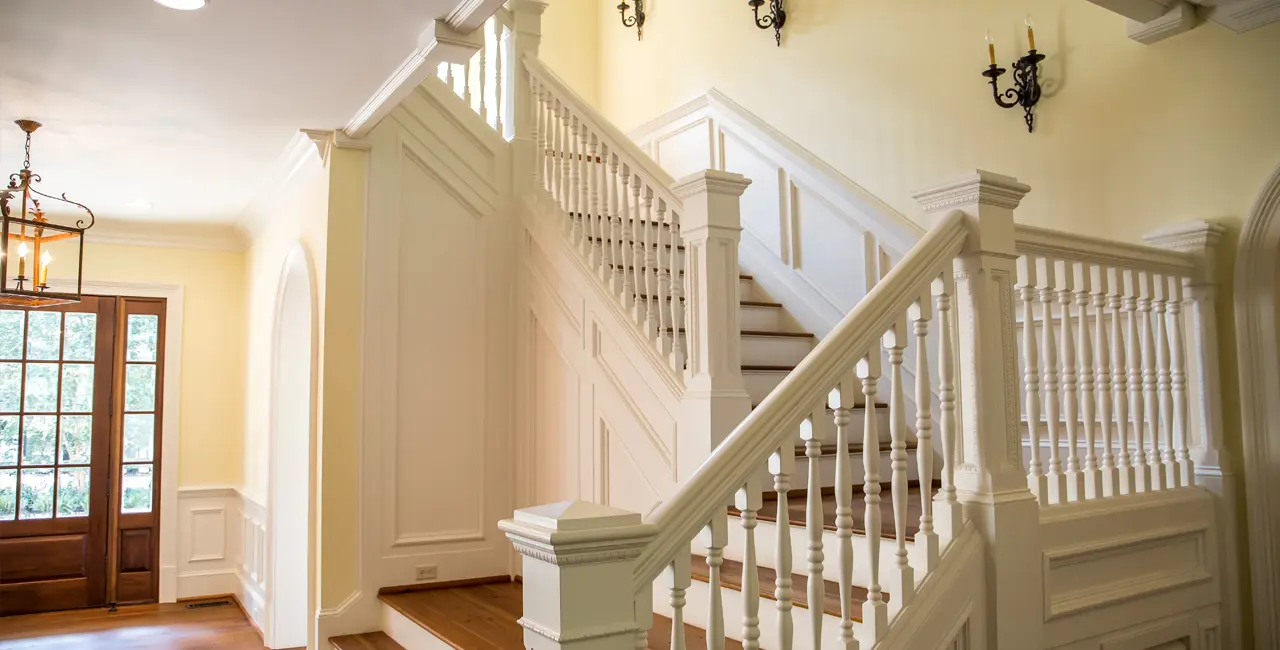
Wooden stairs not only serve the function of connecting different levels of a house: they also provide character, warmth and an aesthetic capable of transforming any space from the first glance. Their balance between resistance, natural beauty and adaptability makes them one of the most appreciated options in modern interiors as well as in more traditional environments. In this guide you will find a complete overview of their types, advantages, selection criteria and essential care to keep them impeccable for many years.
Index
- Types of wooden stairs
- Advantages of wooden stairs
- How to choose a wooden staircase for your home
- How to care for and maintain them
- Recommended materials
- Common mistakes when caring for them
- Frequently asked questions about wooden stairs
- How to maintain your wooden stairs in 3 steps
Types of wooden stairs
If you are looking for wooden stairs for your home, it is important to know the most common models before making a decision. Each type offers a different aesthetic and is best suited to specific needs of space and use.
1. Straight wooden stairs
The most traditional and functional. Their linear path facilitates installation and offers excellent comfort when going up and down. They fit very well in homes looking for a classic, tidy and uncomplicated style.
2. Wooden spiral staircases
A perfect solution for small spaces. Its helical design provides dynamism and personality, allowing to take advantage of every available centimeter. Within this typology, the wooden spiral staircases stand out for their warmth and versatility, being a highly valued option in modern and traditional interiors.
3. Stairs with landing
Designed to connect several heights in a comfortable and safe way, they introduce an intermediate landing that facilitates the ascent. They are ideal for spacious homes where architectural elegance also plays an important role.
4. Floating wooden stairs
One of the current trends in interior design. Its steps, without visible risers, generate a sensation of visual lightness that brings modernity and a unique minimalist style.
Advantages of wooden stairs
Wood is a material with unique qualities that make it the material of choice for this type of structure. Beyond its aesthetics, it provides benefits that last over time.
- Aesthetic warmth: creates cozy and natural environments.
- Durability: with proper care, they can accompany the home for decades.
- Versatility: they easily adapt to rustic, modern or minimalist styles.
- Sustainability: by choosing certified wood, you contribute to responsible consumption.
- Easy repair: any damage can be repaired or replaced without major works.
- Customization: tones, veins and finishes allow for completely customized designs.
How to choose a wooden staircase for your home
Selecting the right staircase involves analyzing the space as well as the decorative style and the daily use it will have. Choosing correctly guarantees comfort, safety and a perfect integration with the environment.
Type of wood
Oak stands out for its strength and elegance; beech offers great hardness and light tones; pine is more economical and lighter; and walnut brings sophistication thanks to its dark tone. The choice has a direct influence on durability, stability and final aesthetics.
2. Architectural style
The staircase should be integrated with the overall design of the house. In modern environments, floating models tend to triumph, while in rustic or classic spaces more robust structures predominate with wooden handrailswhich reinforce the traditional aesthetics and bring coherence to the whole.
3. Finishing
Finishes completely transform the appearance of the staircase. Varnishes provide gloss and protection; oils enhance the natural grain; and lacquers allow for uniform, contemporary colors.
4. Security
It is essential to include non-slip steps, firm handrails and adequate lighting to prevent accidents and ensure a comfortable experience in daily use.
How to care for and maintain wooden stairs
To preserve its beauty over time, it is necessary to follow a care routine that respects the natural properties of wood. Proper application of appropriate treatments, such as varnishing and surface protection, is key to avoiding premature wear and tear.
Regular cleaning
Remove dust with a soft mop or vacuum cleaner with a suitable brush. It is important to avoid trapping hard particles, as they can scratch the surface.
Avoid abrasive products
Aggressive chemicals deteriorate the protective finish. It is always advisable to use specific cleaners for treated wood.
Moisture protection
Wood is a moisture-sensitive material, so keep the room ventilated and wipe up any spills immediately.
Periodic refurbishing
Depending on wear, a new coat of varnish or protective oil should be applied every two to three years. Proper maintenance, based on good wood care of the woodhelps to prevent deterioration and prolong the life of the staircase.
Recommended materials for wooden stairs
The quality of the material determines the stability and durability of the staircase. Oak, beech and walnut are three of the most commonly used options for their strength, solidity and visual appeal, achieving a perfect balance between design and functionality.
Common mistakes when caring for wooden stairs
Although its maintenance is simple, some mistakes can reduce its useful life or affect its appearance. To avoid problems, pay attention to the following:
- Using too much water during cleaning.
- Apply silicone polishes.
- Neglecting protection in wet or cold weather.
- Failure to periodically check structural fasteners and joints.
- Delay the renewal of the varnish when it loses gloss.
Frequently asked questions about wooden stairs
What type of wood is best for a staircase?
Oak, beech and walnut are noted for their strength, stability and durability.
How often should varnishing be done?
Generally, every two to three years, depending on wear and tear.
How to avoid slips?
Installing anti-slip strips or using varnishes with a grip finish helps to improve safety.
What basic maintenance do they need?
Gentle cleaning, joint checking and protection against humidity.
Are wooden stairs resistant?
Yes, provided they are properly treated and regularly maintained.
Can they be repaired?
It is possible to sand, repair or even replace steps without major renovations.
How to maintain your wooden stairs in 3 steps
- Regular cleaning: use mild products specific for wood.
- Protection: apply varnish or protective oil to seal the surface.
- Periodic maintenance: check joints, railings and renew the finish when necessary.